

Spain for the Win 🇪🇸
Spain 🇪🇸 and Argentina 🇦🇷 play in the World Cup. And that's why I'm thinking about feminist foreign policy...

It’s the World Cup final! So I’m sliding into your inbox on a Sunday….instead of Tuesday….
Spain and Argentina face each other in today’s World Cup final match. And it’s not just a game or a matchup between a reigning champion and an aspiring one. As David Zirin points out, “the whole world is watching…..Every nation—and every world leader—knows that victory will feel not only like a soccer triumph but a national triumph.”
That’s certainly how the Argentinian team felt after defeating England in the semifinal. The team held up a banner that said that the Falkland Islands, known in Argentina as Las Malvinas, is Argentine. In 1982, the countries fought a war over the British colony off Argentina’s coast, in which Britain, under Margaret Thatcher’s rule, won. Sports may not be politics. But in uncertain times, politics seems to seep into everything.
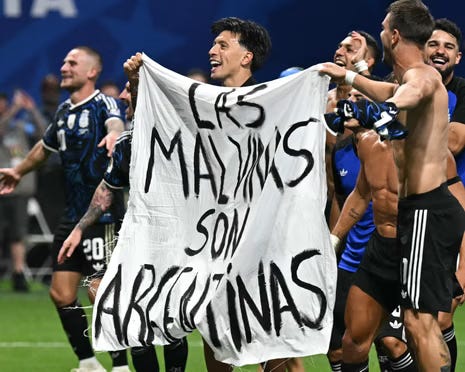
Given the different political places Spain and Argentina currently occupy, a soccer triumph might also feel like vindication—not just for the left or the right, but for feminists or those against them.
Yes, feminism is what I thought about when it became clear who would be in the World Cup. Where you stand, as the saying goes, depends on where you sit.
Just last month, in early June, I traveled to Madrid for the fifth Feminist Foreign Policy Ministerial, a two-day gathering hosted by the government of Prime Minister Pedro Sánchez. Spogmay Ahmed previewed the event, entitled, “Building Peace and Democracy,” noting why it was a timely host. Lyric Thompson also provided background leading up to the event in a conversation. 1
Spain’s foreign minister spoke, as did other dignitaries, including EU and UN officials. There were panels looking at peace, democracy, and gender equality as well as discussions about financing for that work; discussions on multilateralism, reproductive rights, and, for the first time, a look at the rise of the manosphere. Prior to the event, civil society groups gathered for a day of discussions. I have struggled to write about the event because it did not strike me as revelatory, (not all conferences are) though it was hard not to miss the unspoken swipes at Donald Trump and worry over the rise of strongmen, both of which have been a blow to women’s rights.
Indeed, the declaration issued at the end of the ministerial had fewer signatories than the one adopted last year in France—28 countries compared to 31—reflecting the change in a number of governments, including Chile, Germany, and the Netherlands, where the right have taken power. Several new countries signed on, including Albania, Andorra, Cape Verde, Montenegro, and Timor-Leste. That, in itself, mattered.
Even as opposition to feminism mounts, the movement has not disappeared. My biggest takeaway was not the declaration, or even the scale of the challenges feminist foreign policy now faces. It was Spain’s decision to do that very feminist thing and persist—to keep making the case for feminism, multilateralism, and a broader understanding of security at a moment when authoritarianism and militarism are pulling much of the world, including Argentina under Javier Milei, in the opposite direction.
The two countries did not always seem so far apart.
Before Milei’s ascension in December 2023, Argentina had become a beacon for feminists worldwide. In the early aughts, Argentine women formed the Marea Verde, the Green Wave, symbolized by a green handkerchief, to push for reproductive rights. Starting in 2015, a year after Sweden introduced feminist foreign policy to the world, the Ni Una Menos campaign (Not One Less) mobilized against femicide. After Africa, Latin America has the second largest rates of femicide. In 2020, heeding the argument that abortion was a health equity issue, Argentina, an overwhelmingly Catholic country, legalized abortion up to 14 weeks. The country signed onto the first Feminist Foreign Policy declaration in 2023 committing signatories to a feminist approach to foreign policy.
Under Milei, Argentina has moved decisively away from that position. His government has called feminism absurd and a “multi-million dollar political scam.” Worse, it eliminated the Ministry of Women, Genders and Diversity and later closed the office that inherited responsibility for combating gender violence and cut funds for gender-based violence. In 2024, Argentina cast the sole vote against a United Nations resolution condemning violence against women and girls.
Spain, meanwhile, has strengthened its commitment to gender justice and equality, which also dates back to the start of the current millennium. Leftist politician José Luis Rodríguez Zapatero became prime minister in March 2004, declaring “I am not just anti-machismo, I’m a feminist.” By December, he oversaw the passage of a comprehensive law combating gender-based violence. After reelection in 2008, he appointed a female-majority cabinet—years before Justin Trudeau in Canada. It included Spain’s first female defense minister, Carme Chacón, who reviewed the troops while expecting. Also that year, he established a Ministry of Equality.
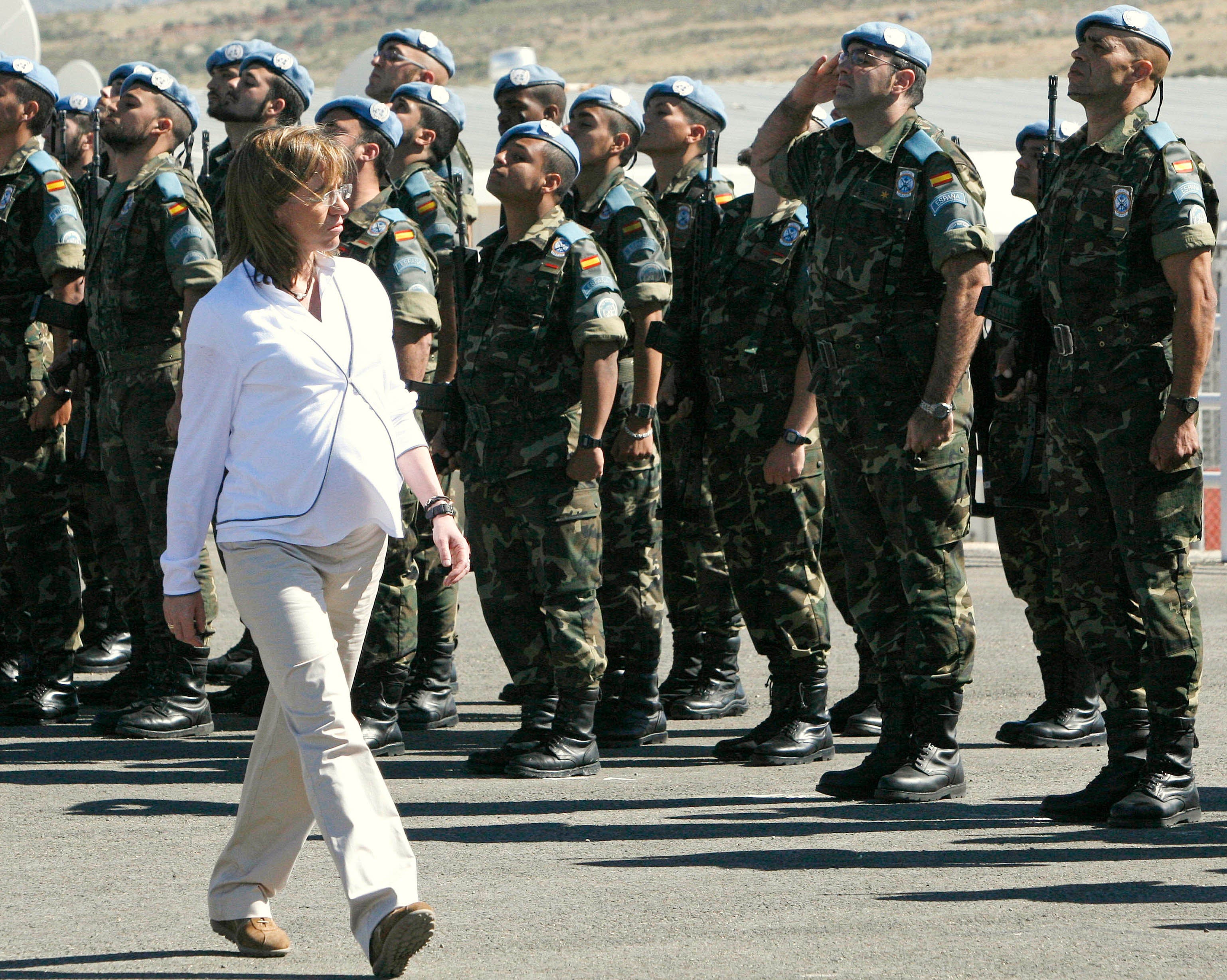
For Zapatero, women’s equality was core to Spanish democracy and its break with the militarism and legacy of Francisco Franco, the right-wing general who ruled the country from 1936 until his death in 1975.
That history continues to influence Pedro Sánchez. The Spanish leader has found himself at odds with the Trump White House and, at times, his European allies. When Trump demanded fellow NATO members increase defense spending, Spain, which along with Portugal is furthest from the Russian threat, refused—and, as Spogmay Ahmed noted, increased development spending.
Earlier this year, Sánchez opposed the use of Spanish bases during the US strikes on Iran, which drew Trump’s ire. He has been among Europe’s most outspoken critics of Israel’s war in Gaza, calling it “the greatest genocide this century has witnessed” and recognizing a Palestinian state long before many of his counterparts were prepared to do so. Taken individually, these can look like disconnected foreign policy decisions. They are not. They reflect the same philosophy that animated the ministerial I attended in Madrid: security is not only military power, but human dignity, equality, and international law.
Sánchez has also moved against Europe’s broader retreat on immigration. Instead of deportations, he has pushed a migrant “regularization” program that has allowed about 1.2 million undocumented individuals to apply for legal status (originally it was set for 500,000). It’s why Pope Leo visited the country last month, despite Sánchez being an avowed atheist. The pope addressed the Spanish parliament to draw attention to the “deep spiritual and cultural crisis” around immigration and the need to find “safe and legal pathways” for migrants.
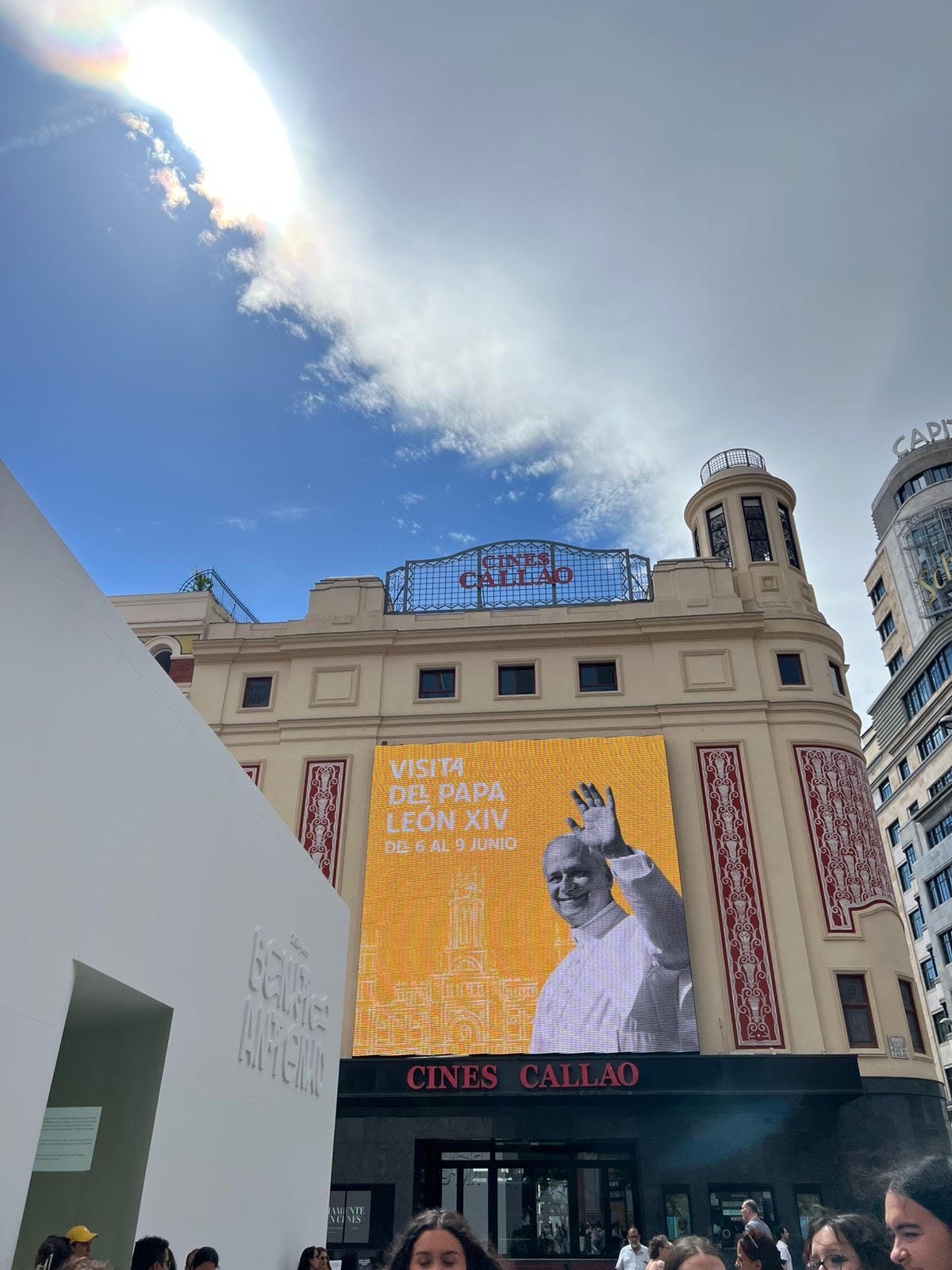
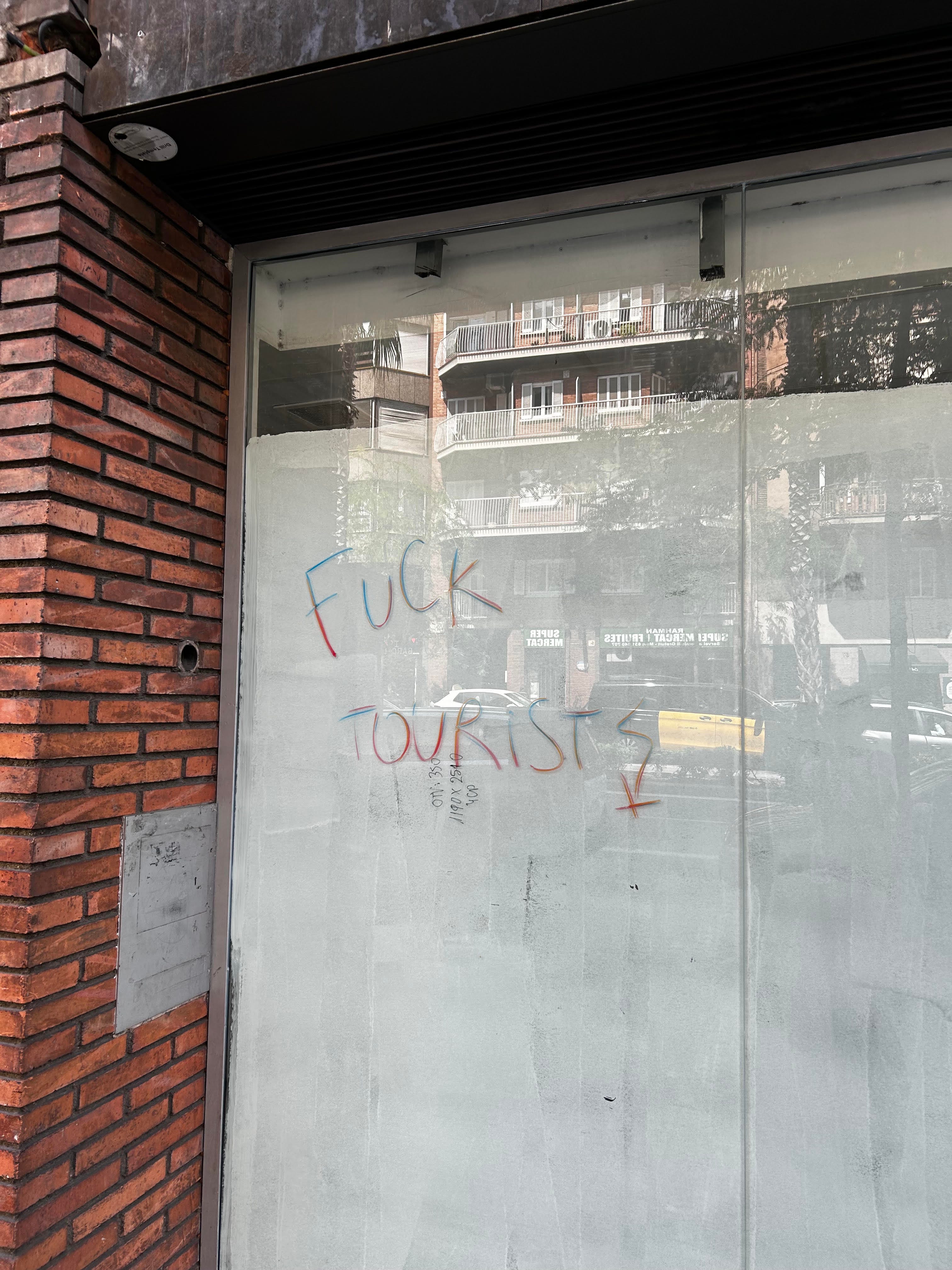
None of this makes Spain a progressive utopia. Spaniards, like people everywhere, are struggling with the cost of living. In Barcelona, housing affordability and overcrowding have generated visible anger toward tourists, along with pressure to limit the number of visitors entering the city. Prime Minister Sánchez’s wife has been accused of corruption and his brother, David, has been banned from public office for nepotism. Former Prime Minister Zapatero has also come under scrutiny for corruption. Just before Spain’s match up with France during the World Cup semifinal, Spain’s former conservative prime minister, Mariano Rajoy, said that France would be a worthy challenger, even though “there are no French players in it,” referring to the African heritage of most of the team’s players. The far-right Vox party has gained traction by campaigning on the “traditional” family and in opposition to feminism and immigration. Vox hopes to do in Spain what Milei has done in Argentina.
Argentina is favored to win today’s World Cup, largely because of Lionel Messi, who is considered the world’s top soccer talent. But many are pouring their hopes into Spain’s 19-year-old Lamine Yamal, the son of a Moroccan father and an Equatorial Guinean mother. Yet, rather than being straightforward competitors, they have a shared story. Messi left Argentina as a boy and became a star in Barcelona. By now, you probably know that it was in Barcelona in 2007 that he encountered five-month-old Lamine Yamal during a charity calendar shoot for UNICEF.

Neither could have known they were capturing not only two generations of soccer greatness in the same frame but the reality that modern nations are built through movement and exchange—not by sealing borders or insisting on cultural purity. And the modern world came about through global cooperation and support, through institutions like UNICEF focused on protecting the vulnerable.
It is, in its own way, the same argument that the current Spanish government is making, while so many others, including Javier Milei, have rejected it. Today’s match will not decide which vision will prevail. But for 90 minutes, the contrast will be difficult to miss. —Elmira
Check out the Feminist Foreign Policy Collaborative.
¡Vamos!